Common Causes of Cracks in Commercial Concrete Slabs
People seeking commercial concrete slab crack repair aim to restore stability and prevent further damage, and local contractors can assess causes and provide effective repair solutions.
Understanding the common causes of cracks in commercial concrete slabs can help property owners identify potential issues early and make informed decisions about repairs. Cracks can develop for a variety of practical reasons, including soil movement beneath the slab, improper mixing or pouring techniques, and exposure to extreme temperature fluctuations. Recognizing these factors is essential for maintaining the integrity and safety of commercial spaces, especially in areas where heavy foot or vehicle traffic can exacerbate existing problems. Local contractors who specialize in concrete slab crack repair are equipped to assess these underlying causes and recommend appropriate solutions to keep properties in top condition.
For property owners exploring this topic, gaining insight into the typical reasons behind slab cracks offers a clearer picture of when professional intervention may be needed. Addressing issues such as settlement or expansion early can prevent more extensive damage and costly repairs down the line. Local service providers who focus on commercial concrete slab crack repair have the experience to diagnose the root causes and provide effective restoration options. Continuing to learn about these common issues can help ensure that commercial properties remain durable, safe, and functional for years to come.
- Commercial concrete slab crack repair is often needed when settlement or shifting causes cracks to develop in existing slabs, and local contractors use specialized techniques to stabilize and repair the affected areas.
- When temperature fluctuations lead to expansion and contraction in concrete, local service providers can address the resulting cracks through targeted repair methods that restore slab integrity.
- Heavy loads and frequent traffic can cause stress fractures in commercial slabs, prompting local pros to evaluate and implement crack repair solutions to prevent further damage.
- Poor soil preparation or drainage issues are common causes of cracks, and experienced contractors assess underlying problems before performing effective concrete slab crack repairs.
- Age-related deterioration or material shrinkage can result in cracks in commercial slabs, with local service providers offering repair options to extend the lifespan of the concrete.
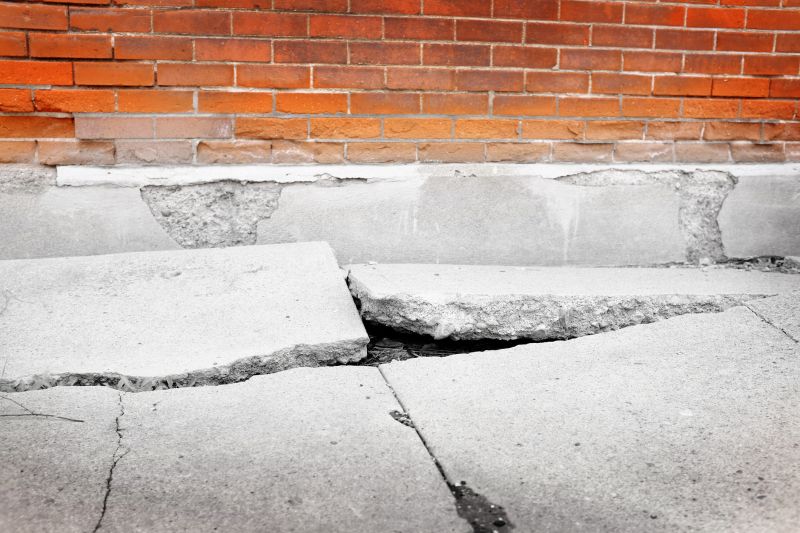
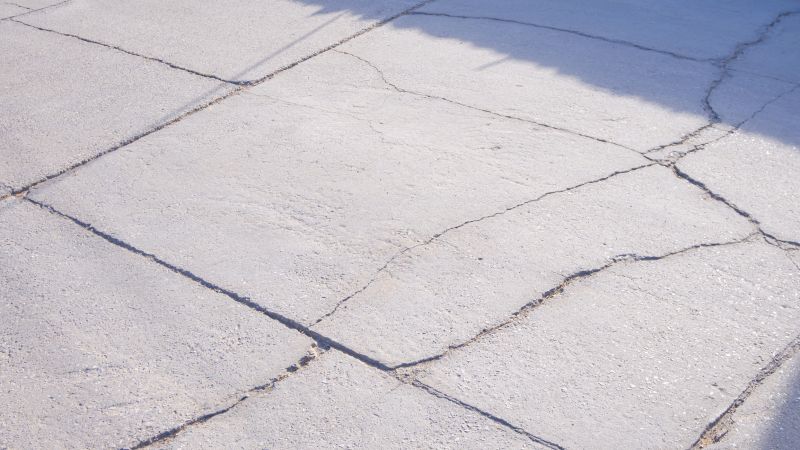
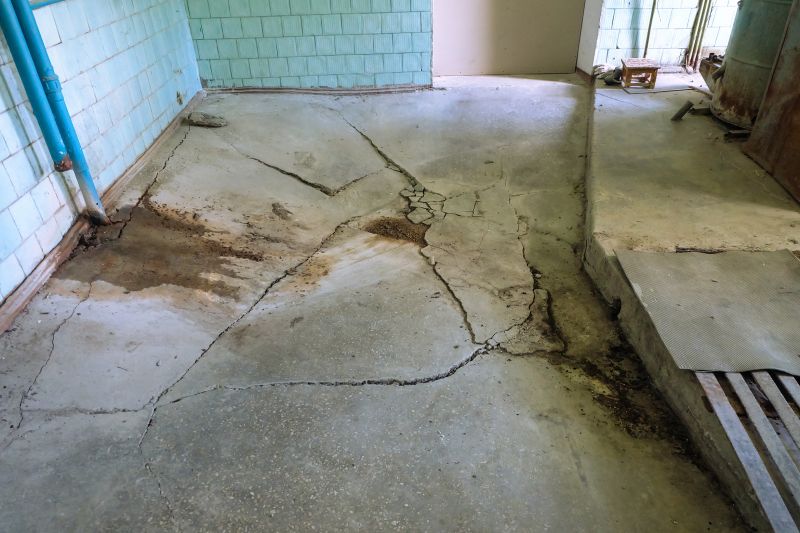
Understanding the common causes of cracks in commercial concrete slabs is essential for property owners and managers who want to maintain the safety and functionality of their facilities. When searching for this topic, people often seek to identify why their concrete surfaces are developing cracks, whether for preventative measures or to address existing issues. These cracks can impact the structural integrity of a building’s foundation, parking lot, or loading areas, making repairs a priority to prevent further damage. Recognizing the underlying causes helps property owners plan effective repair strategies and avoid costly future repairs, which is why consulting with experienced commercial concrete slab crack repair service providers can be an important step in managing these issues.
Cracks in commercial concrete slabs often result from a combination of environmental, structural, and material factors. One common cause is soil movement beneath the slab, which can be due to expansive clay, shifting ground, or poor compaction during installation. When the soil underneath expands or contracts, it exerts pressure on the concrete, leading to cracks. Another frequent cause is improper curing or mixing of the concrete, which can weaken the material and make it more susceptible to cracking over time. Heavy loads or repeated traffic from forklifts, trucks, or other equipment can also place stress on the slab, especially if it was not designed to withstand such forces. Local service providers experienced in commercial concrete crack repair understand these causes and can assess the specific conditions contributing to cracks on a property.
Properties that typically experience issues with cracks in their concrete slabs include parking lots, loading docks, warehouse floors, and outdoor walkways. These areas are often subjected to heavy machinery, vehicle traffic, and environmental exposure, increasing the likelihood of cracking. Commercial properties with expansive or poorly prepared soils are particularly vulnerable, as ground movement can cause significant damage over time. Additionally, older properties may experience cracks due to aging concrete or previous construction flaws. When cracks appear, it is crucial to evaluate whether they are superficial or indicative of deeper structural problems. Local contractors specializing in concrete slab repair can perform thorough inspections to determine the root causes and recommend suitable repair options, helping property owners maintain safe and durable surfaces.
Addressing common causes of cracks in commercial concrete slabs involves both understanding the origins and working with experienced service providers. Proper evaluation by local pros can identify whether cracks are caused by soil issues, improper installation, or load-related stresses. Once the causes are understood, appropriate repair techniques-such as crack sealing, slab leveling, or reinforcement-can be implemented to restore the integrity of the surface. Engaging with knowledgeable contractors ensures that repairs are tailored to the specific conditions of the property and help prevent future cracking. For property owners seeking to preserve the value and safety of their commercial spaces, connecting with local concrete repair specialists is a practical step toward effective, long-lasting solutions.
Parking lot paving projects - local contractors experienced in paving and slab installation can address issues related to improper subgrade preparation that contribute to cracks in commercial concrete slabs.
Industrial flooring installations - professionals skilled in large-scale concrete work can help prevent cracking caused by heavy loads and inadequate reinforcement in commercial slabs.
Warehouse construction - service providers familiar with heavy-duty concrete flooring can manage joint placement and material selection to reduce stress-related cracks.
Sidewalk and walkway projects - local pros can assess ground movement and soil conditions that often lead to cracks in concrete slabs used in pedestrian areas.
Foundation repair services - experts in foundation stabilization can address underlying settlement issues that cause cracks in adjacent concrete slabs.
Retrofitting and slab replacement - contractors experienced in concrete repair can identify and fix cracks resulting from age, shrinkage, or improper curing in commercial settings.
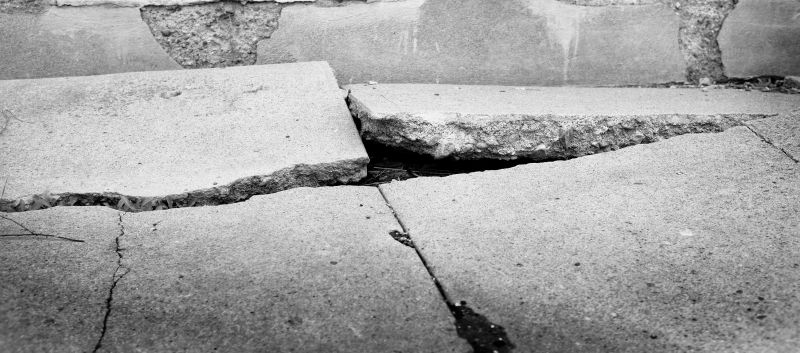
When evaluating service providers for commercial concrete slab crack repair, it is important to consider their experience with similar projects. Contractors who have handled repairs on commercial slabs comparable in size, usage, or environmental conditions are more likely to understand the specific challenges involved. An experienced local contractor can better identify the common causes of cracks in commercial concrete slabs, such as settlement issues, temperature fluctuations, or improper installation, and recommend effective solutions based on their past work. This familiarity can contribute to a more durable repair and help prevent future cracking.
Clear written expectations are essential when comparing local contractors for concrete slab repairs. Service providers should be able to provide detailed descriptions of their proposed approach, including the scope of work, materials to be used, and the estimated process for addressing cracks. Having this information in writing helps ensure that both parties share a common understanding of the project’s goals and reduces the potential for miscommunication. It also allows for straightforward comparisons between different contractors’ methods and the level of professionalism they bring to the job.
Reputable references and strong communication are key factors when selecting a local contractor. Asking for references from previous commercial clients can offer insights into the contractor’s reliability, quality of work, and ability to handle projects similar in scope. Good communication throughout the process-such as responsiveness to inquiries, clarity in explaining repair options, and transparency about procedures-can make a significant difference in the overall experience. Service providers who prioritize clear, ongoing communication and have a history of satisfied clients are often better equipped to deliver successful repairs that address the underlying causes of cracks in commercial concrete slabs.
Property owners often search for common causes of cracks in commercial concrete slabs when they are planning practical projects around their homes and businesses. Local pros provide Commercial Concrete Slab Crack Repair services for everyday jobs and straightforward project options.
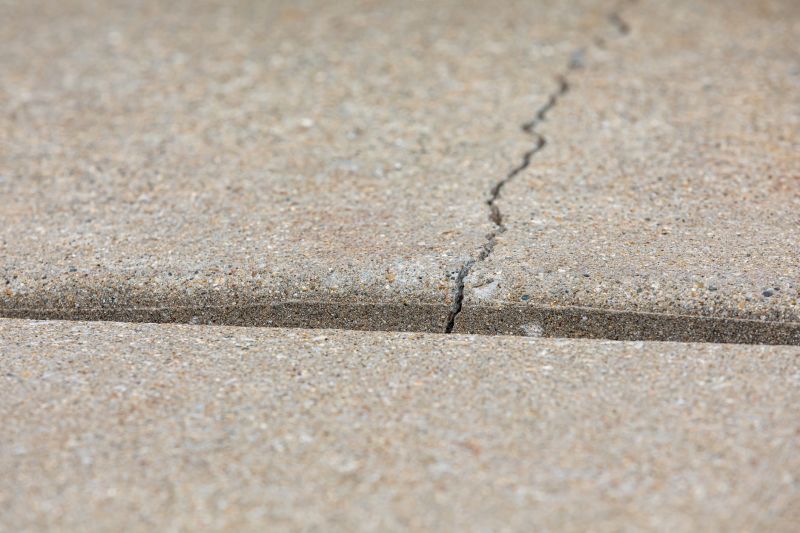
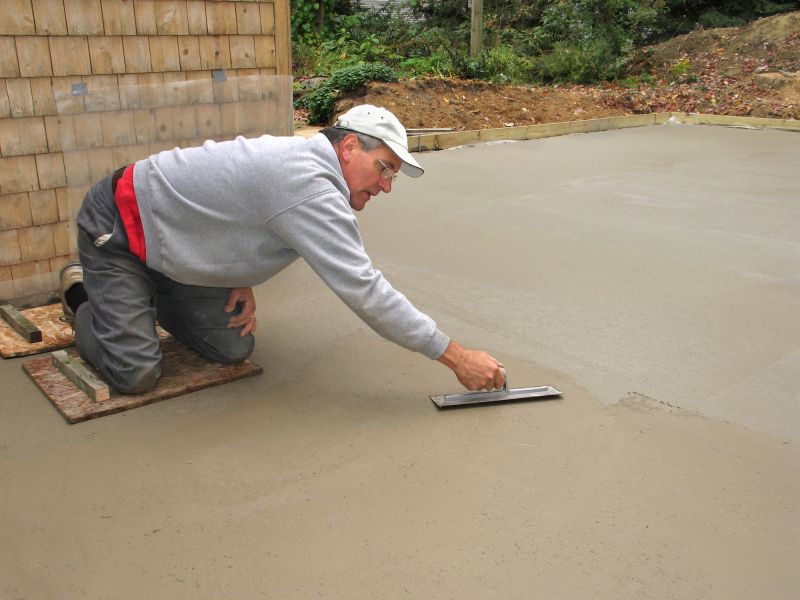
Understanding the common causes of cracks in commercial concrete slabs can help property owners identify potential issues early on. Often, cracks develop due to factors such as soil movement beneath the slab, improper subgrade preparation, or uneven settling over time. Heavy equipment or frequent traffic can also put stress on the concrete, leading to surface cracks or more significant structural issues. Recognizing these everyday project situations allows property owners to better assess when professional concrete slab crack repair services might be needed to maintain the integrity and safety of their commercial spaces.
Many cracks in commercial concrete slabs result from environmental and construction-related factors. For example, exposure to moisture fluctuations can cause concrete to expand and contract, eventually leading to cracking. Additionally, poor initial placement or curing practices can weaken the slab, making it more susceptible to damage. When cracks appear, it’s often a sign that professional service providers in the area can help address the problem effectively. Local contractors experienced in commercial concrete repair can evaluate the cause of the cracks and recommend appropriate solutions to restore the slab’s stability and longevity.
What are common causes of cracks in commercial concrete slabs? Common causes include improper mixing, inadequate reinforcement, and settlement issues that lead to stress and cracking in concrete slabs.
How does improper curing contribute to cracking? Insufficient curing can cause uneven drying and shrinkage, increasing the likelihood of cracks forming in the concrete surface.
Can soil movement cause cracks in concrete slabs? Yes, soil settlement or shifting beneath the slab can exert pressure, resulting in cracks and structural issues over time.
What role does temperature change play in cracking? Fluctuations in temperature can cause expansion and contraction in concrete, which may lead to cracking if not properly designed for thermal movement.
How can local contractors help with cracks caused by these issues? Local service providers can assess the underlying causes of cracks and perform effective repair solutions to restore the integrity of commercial concrete slabs.
Soil settlement - property owners can ensure proper soil compaction before pouring concrete to help prevent cracks caused by shifting ground, with local contractors providing advice on site preparation.
Heavy loads - understanding weight distribution on slabs can reduce stress, and local service providers can recommend appropriate reinforcement options for heavy-use areas.
Temperature changes - planning for expansion joints during installation allows for temperature-related movement, with local pros assisting in proper placement to minimize cracking risks.
Poor curing practices - ensuring adequate curing methods can improve slab strength and reduce cracking, and local contractors can guide proper curing techniques during project setup.
If you are thinking about common causes of cracks in commercial concrete slabs for a property, this guide is meant to help you understand this topic, the typical project types, and how different options might fit your plans.
When you are ready, you can use the quote form on this page to share a few details about your project. From there, local pros can review the basics and follow up with options that match what you have in mind.